9 hr
Chiang Mai: Elephant Sanctuary, Waterfall & Bamboo Rafting Adventure
- Expert local guide
- Small group
- Skip-the-line access
- Free cancellation
Bara Imambara Tickets — Reserved Entry to the Asafi Complex
Lamplight on Awadhi arches, silence beneath a beamless vault.
Compare fares, pick the fit — all bookings are mobile-voucher and eligible for free cancellation where shown.
9 hr
1 hr
7 hr
| Experience | Duration | Rating | Transfers | Skip-the-line | Guide | Free cancel. | Price | |
|---|---|---|---|---|---|---|---|---|
|
Guided Experience
Most popular
Chiang Mai: Elephant Sanctuary, Waterfall & Bamboo Rafting Adventure
|
9 hr | ★ 4.9 | ✓ | ✓ | ✓ | ✓ | €49 | Book → |
|
Standard Entry
Rio de Janeiro: Intro to Samba Dance Class in Ipanema
|
1 hr | ★ 4.9 | — | — | — | ✓ | €22 | Book → |
|
Guided Experience
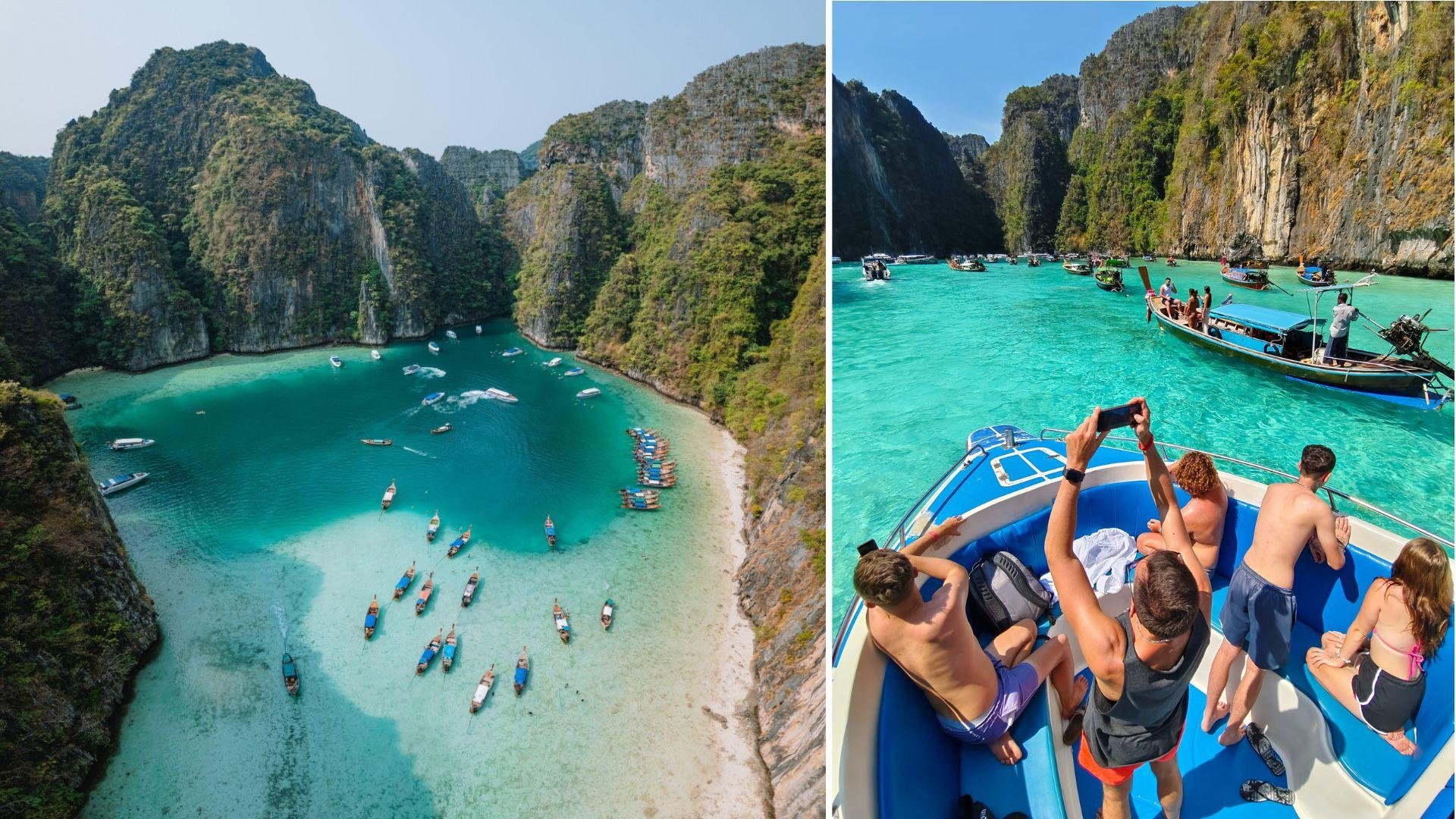
Phi Phi Islands & Bamboo Island Speedboat Day Trip from Krabi
|
7 hr | ★ 4.4 | ✓ | ✓ | ✓ | ✓ | €33 | Book → |
Worth it for four-monument walkers, less for casual stops
Bara Imambara Tickets cost 500 INR on the foreigner rate, and that single fee covers four separate Lucknow landmarks: Bara Imambara itself, Chota Imambara, the Picture Gallery with its Nawabi portraits, and the Shahi Hamam. Priced individually elsewhere in India, that spread of Awadhi architecture would run considerably higher. The value hinges entirely on whether you use all four. Visitors who treat this as a proper Lucknow heritage tour — pillarless central hall, the Bhulbhulaiya labyrinth, the rooftop views over the old city — extract solid return. Those who photograph the facade and leave are overpaying substantially. Factor in physical effort too: the labyrinth climb is narrow, warm, and involves real stairs, so anyone unwilling or unable to attempt it loses the ticket's signature draw. Guided Bara Imambara Tickets tours add another few hundred rupees but make the maze legible rather than merely confusing. Arrive between 06:30 and 09:00 to get honest value from the fee.
Bottom line: Buy the combined Bara Imambara ticket only if you will actually walk all four monuments — used fully it is fair value, used partially it is the most expensive facade photo in Lucknow.
Hand-picked experiences loved by thousands of travelers
1 Day
Free Cancellation
Experience Bali's top waterpark, featuring thrilling slides and relaxing pools in a lush tropical garden setting.
7 hours
Free Cancellation
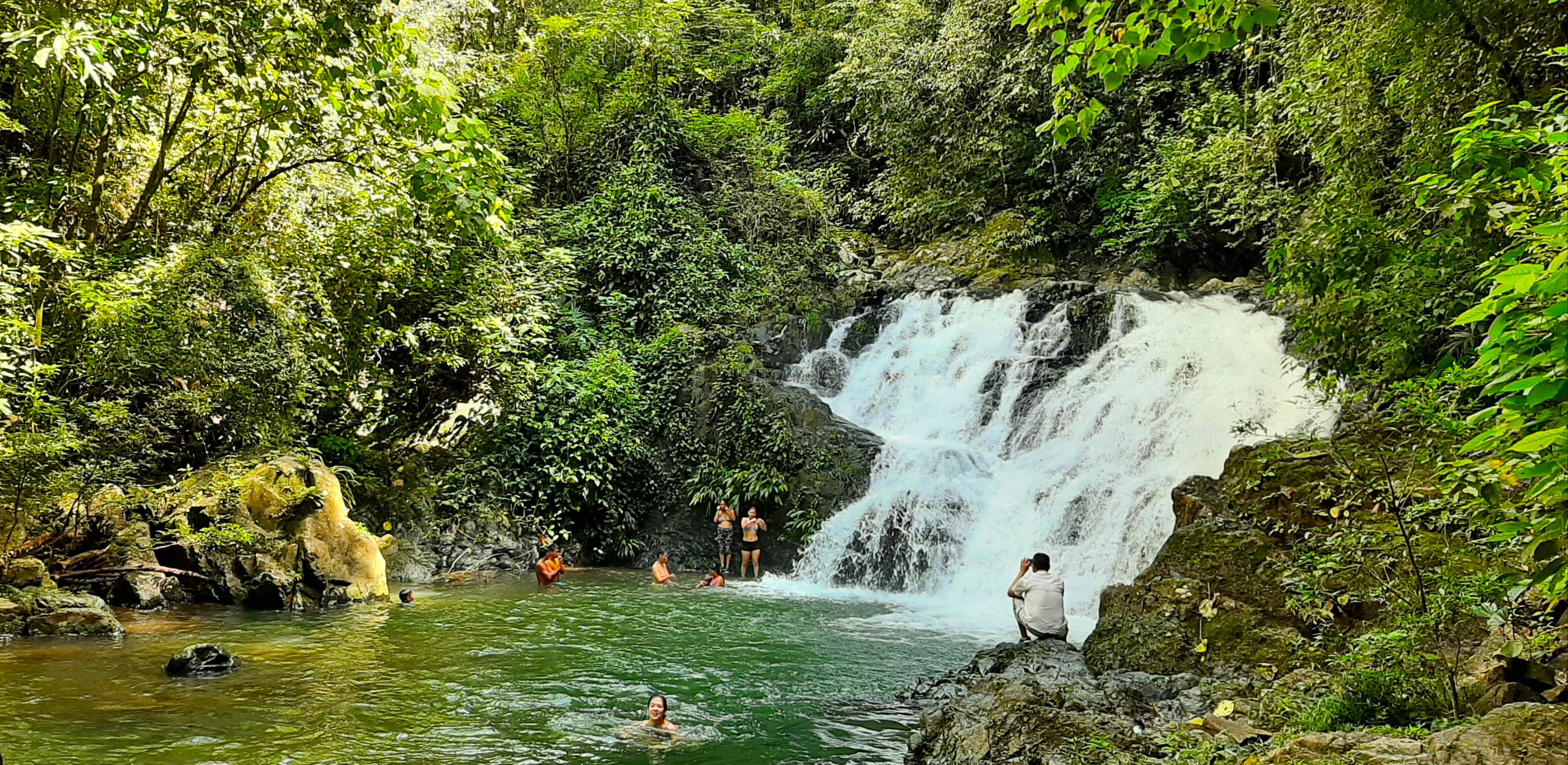
Explore Chagres National Park by canoe, hike to a hidden waterfall, and share lunch with the indigenous Embera community.
2 - 3 hours
Free Cancellation
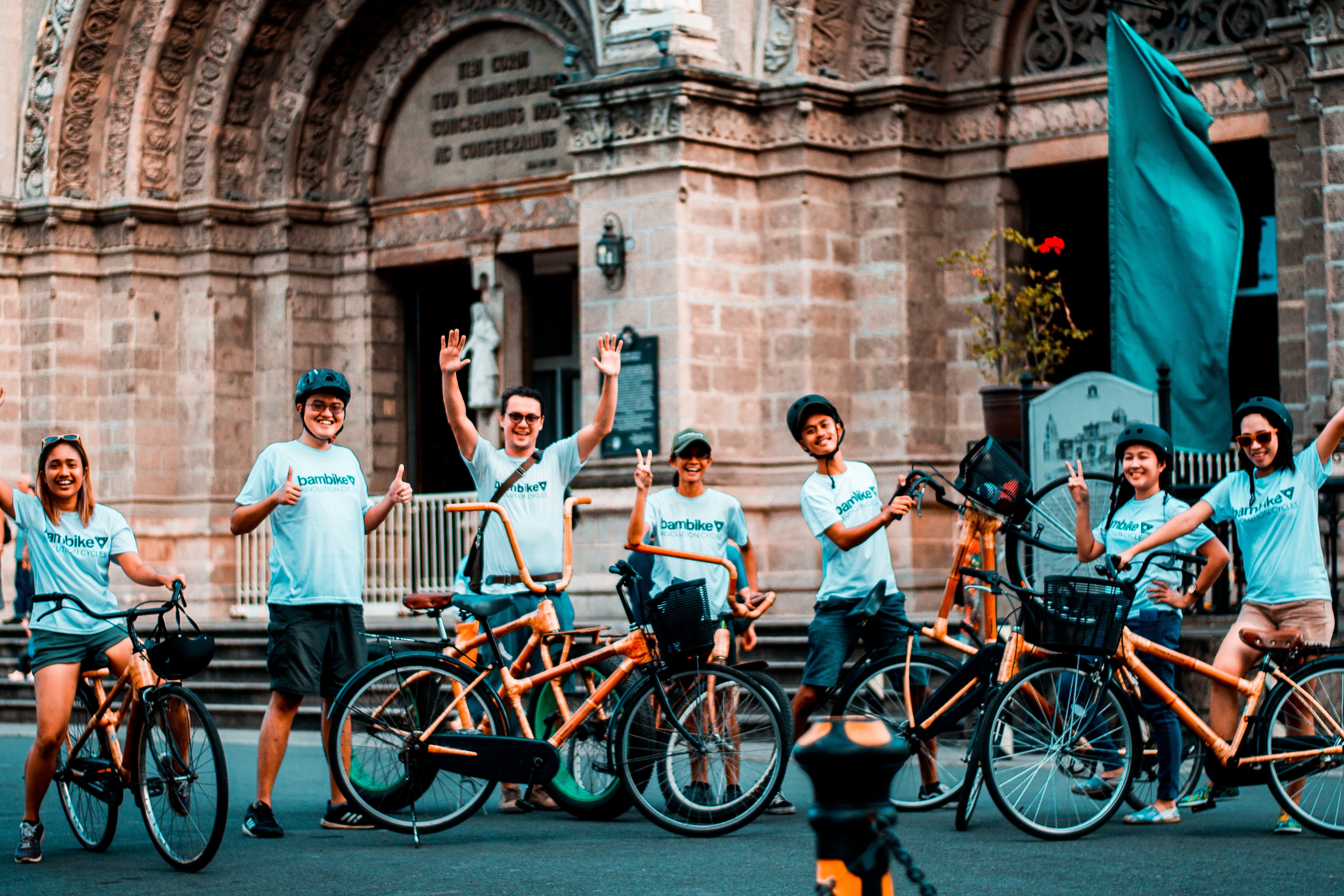
Ride a hand-crafted bamboo bicycle through Manila's historic walled city of Intramuros with an expert guide.
3 hours
Free Cancellation
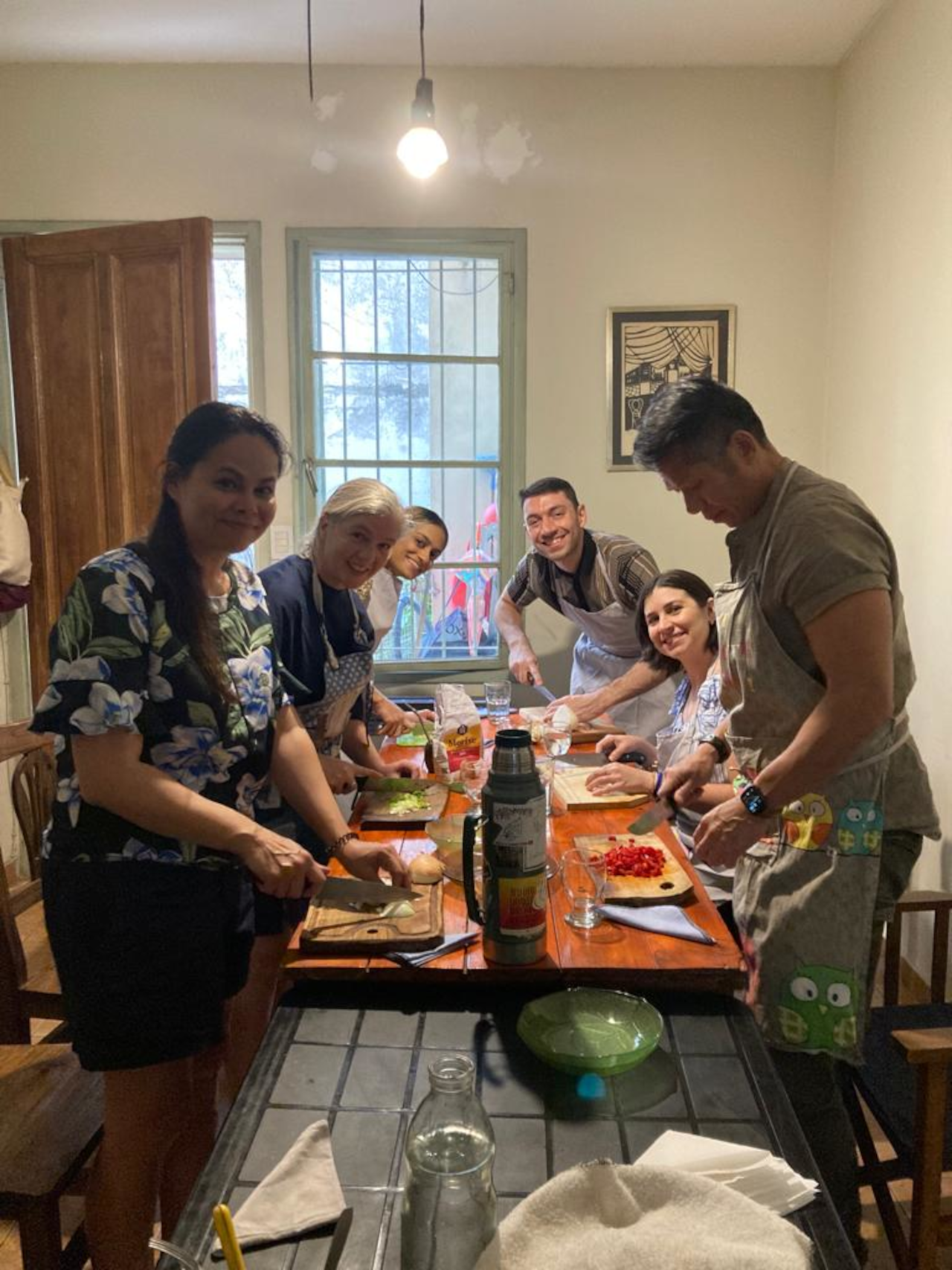
Learn to fold traditional empanadas, bake sweet alfajores, and brew Argentine mate inside a local chef's home.
2 - 2.5 hours
Free Cancellation
Experience a relaxing 2.5-hour Sri Lankan spa journey with a full-body massage, steam bath, and reflexology.
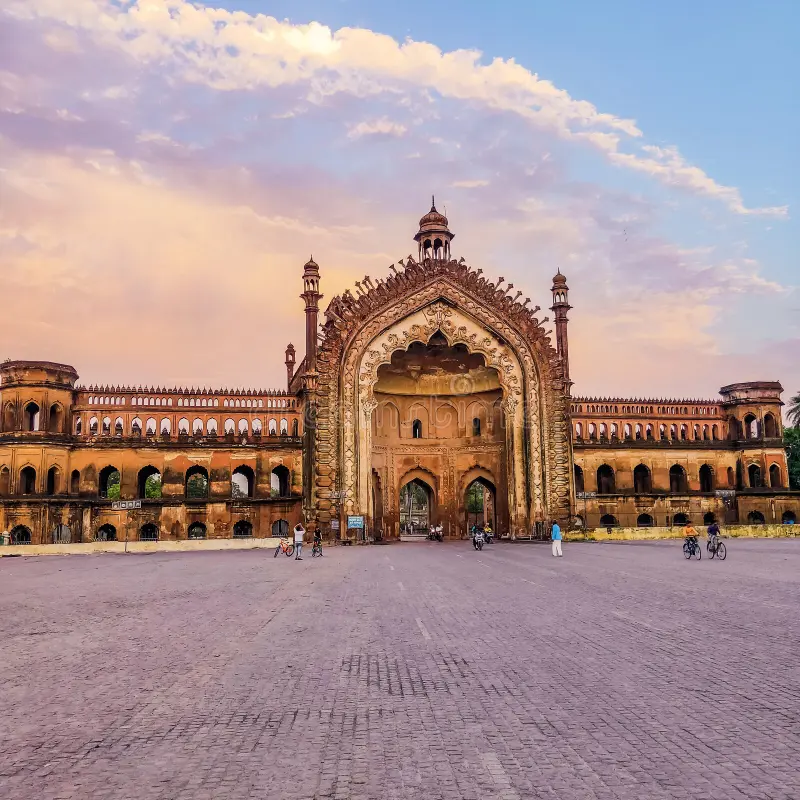
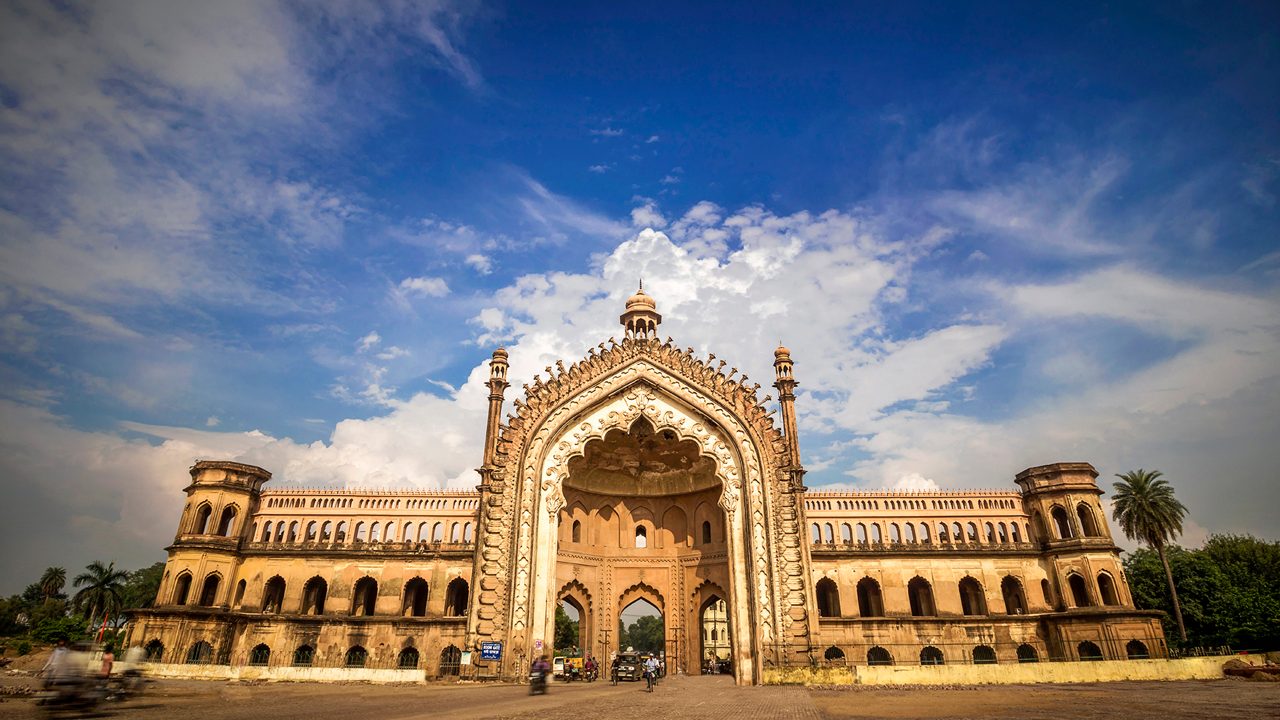
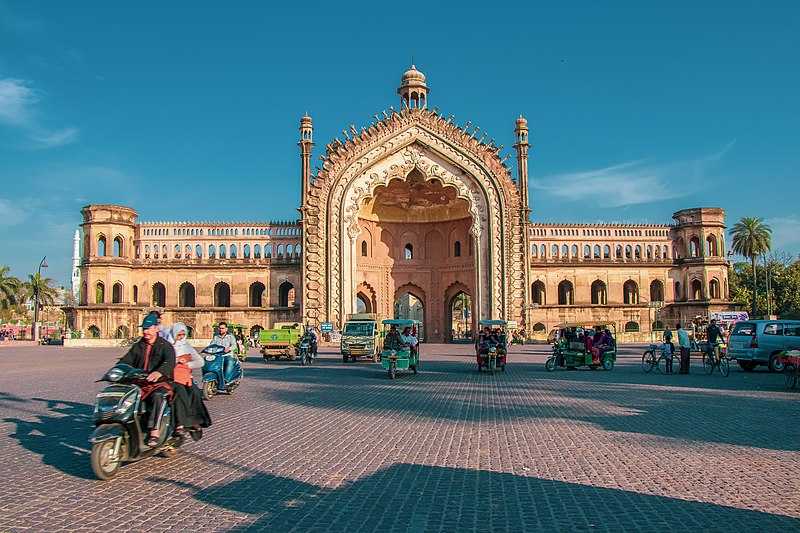
Start at the Turkish-style gateway roughly 100 meters from the main entrance before heading toward the ticket counter.
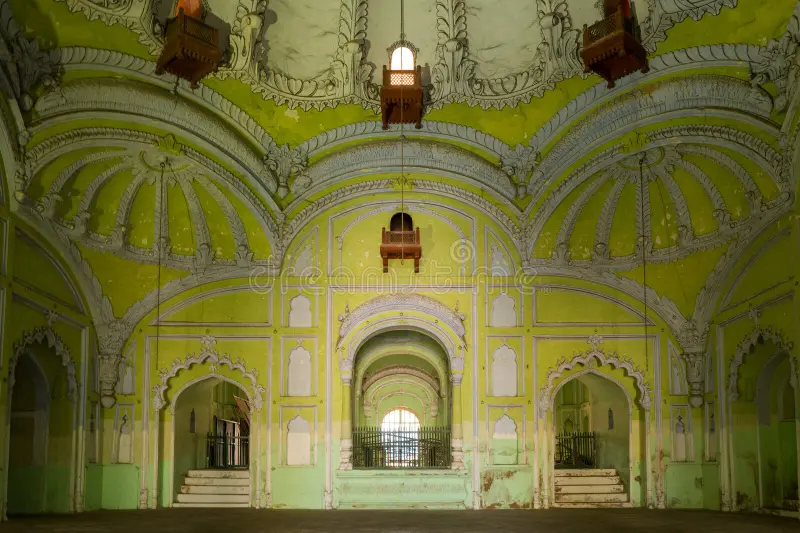
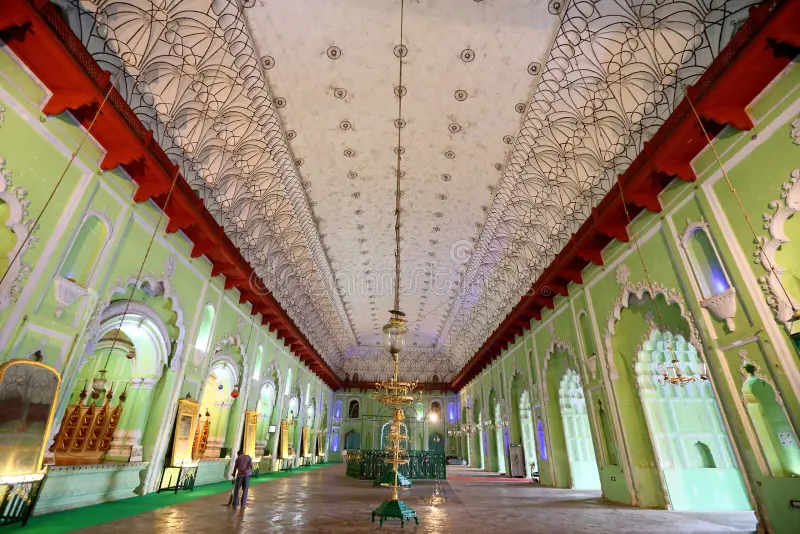
Walk through the vast pillar-free central hall, noted for its interlocking brickwork ceiling.
Climb the stairway into the upper-floor labyrinth of narrow passages; a local guide helps with navigation.
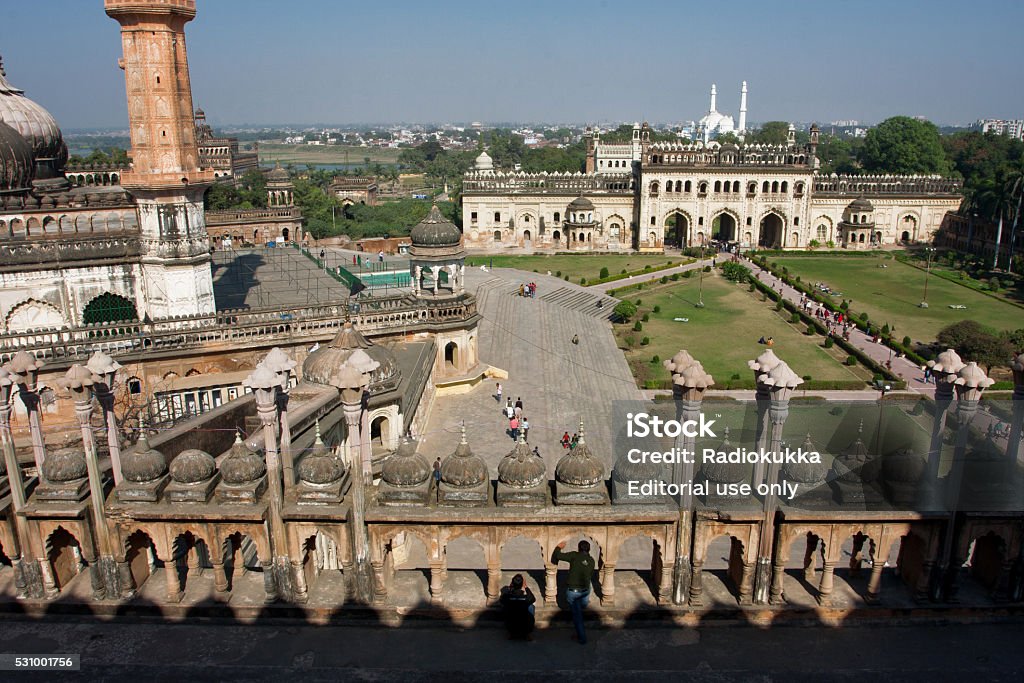
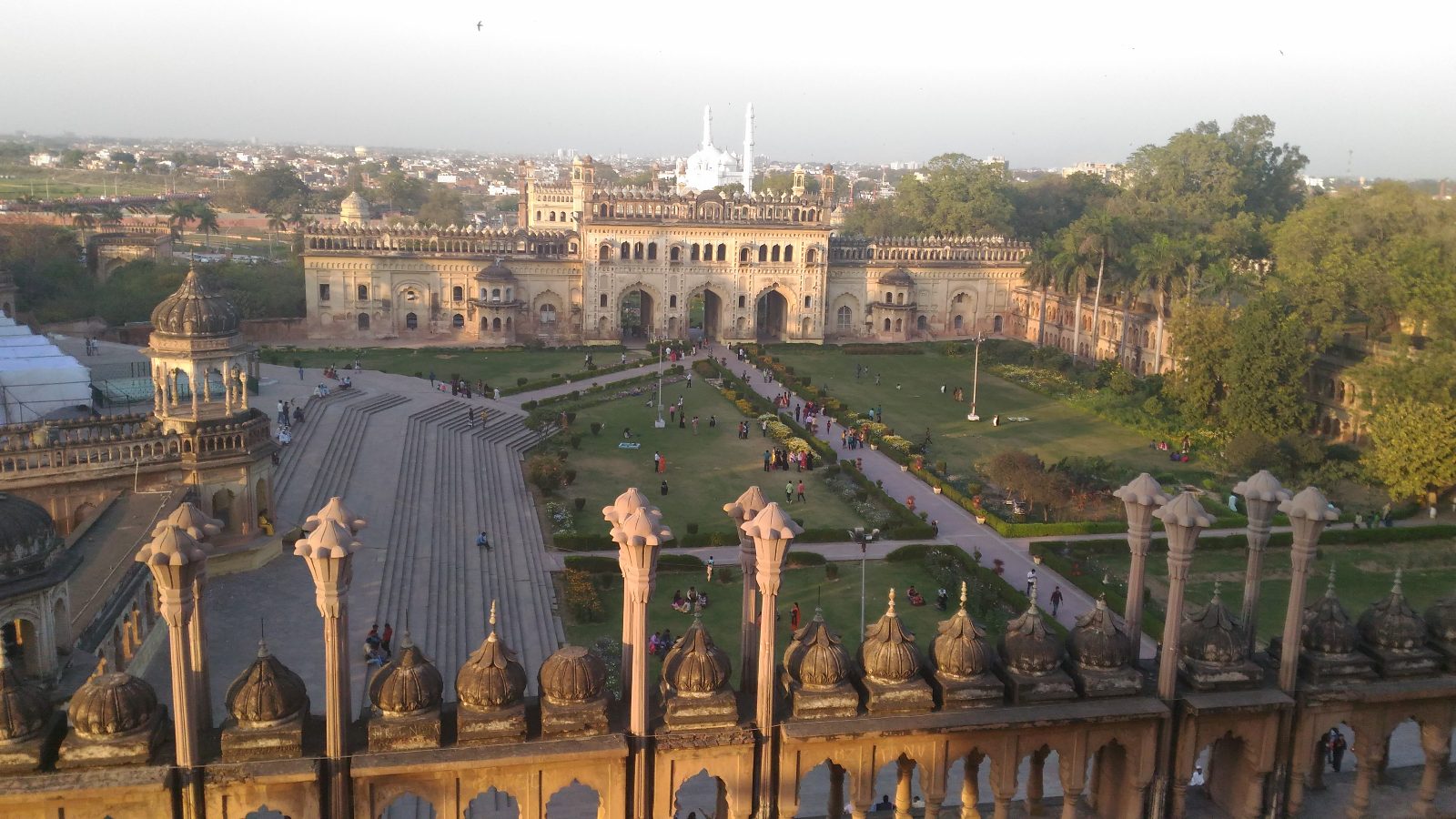
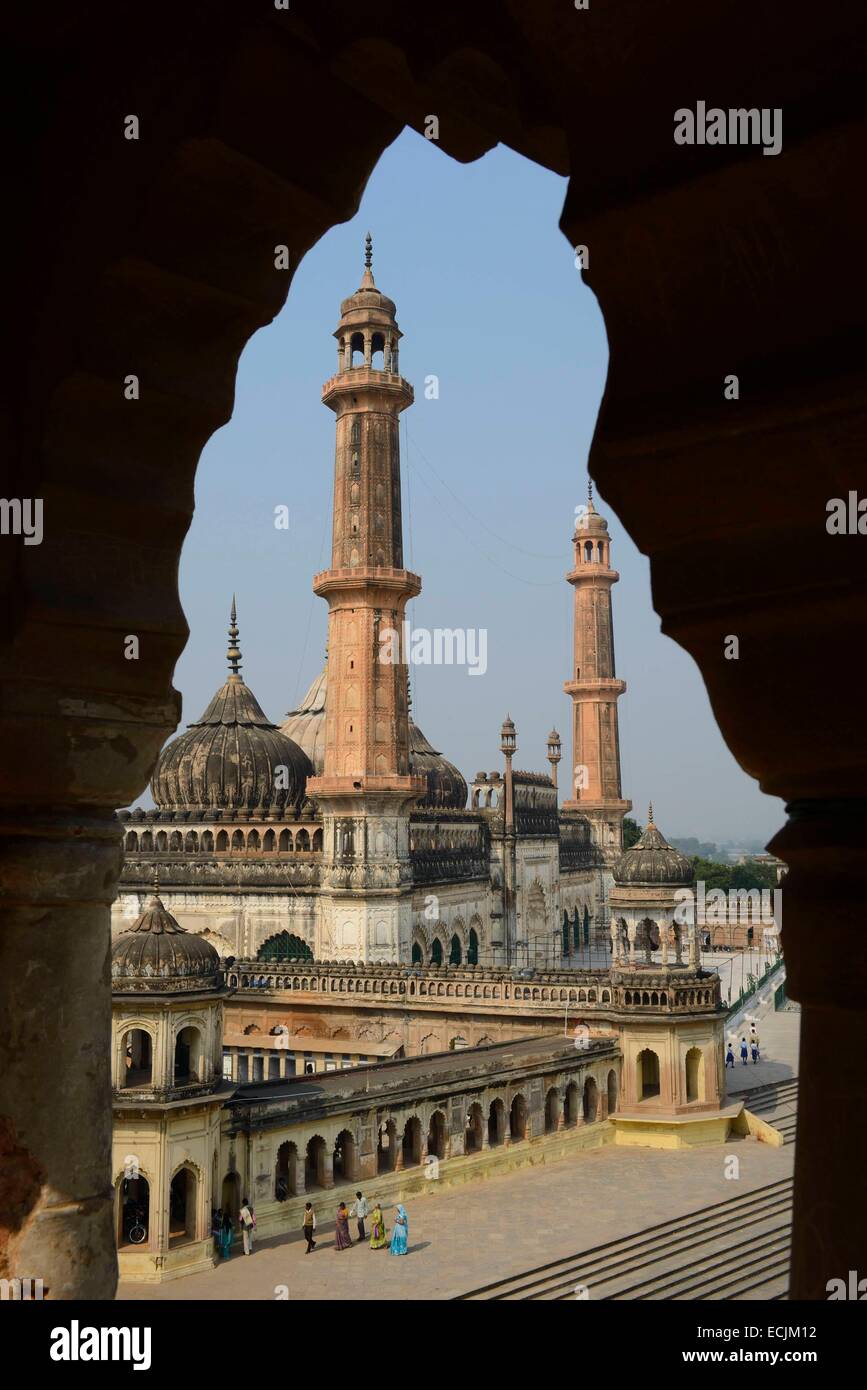
Emerge onto the rooftop for views over the Asafi Mosque, Shahi Baoli, and the old city skyline.
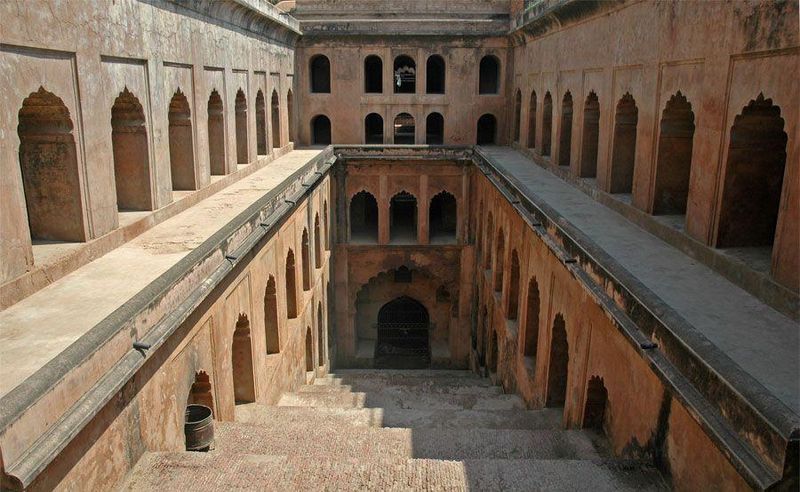
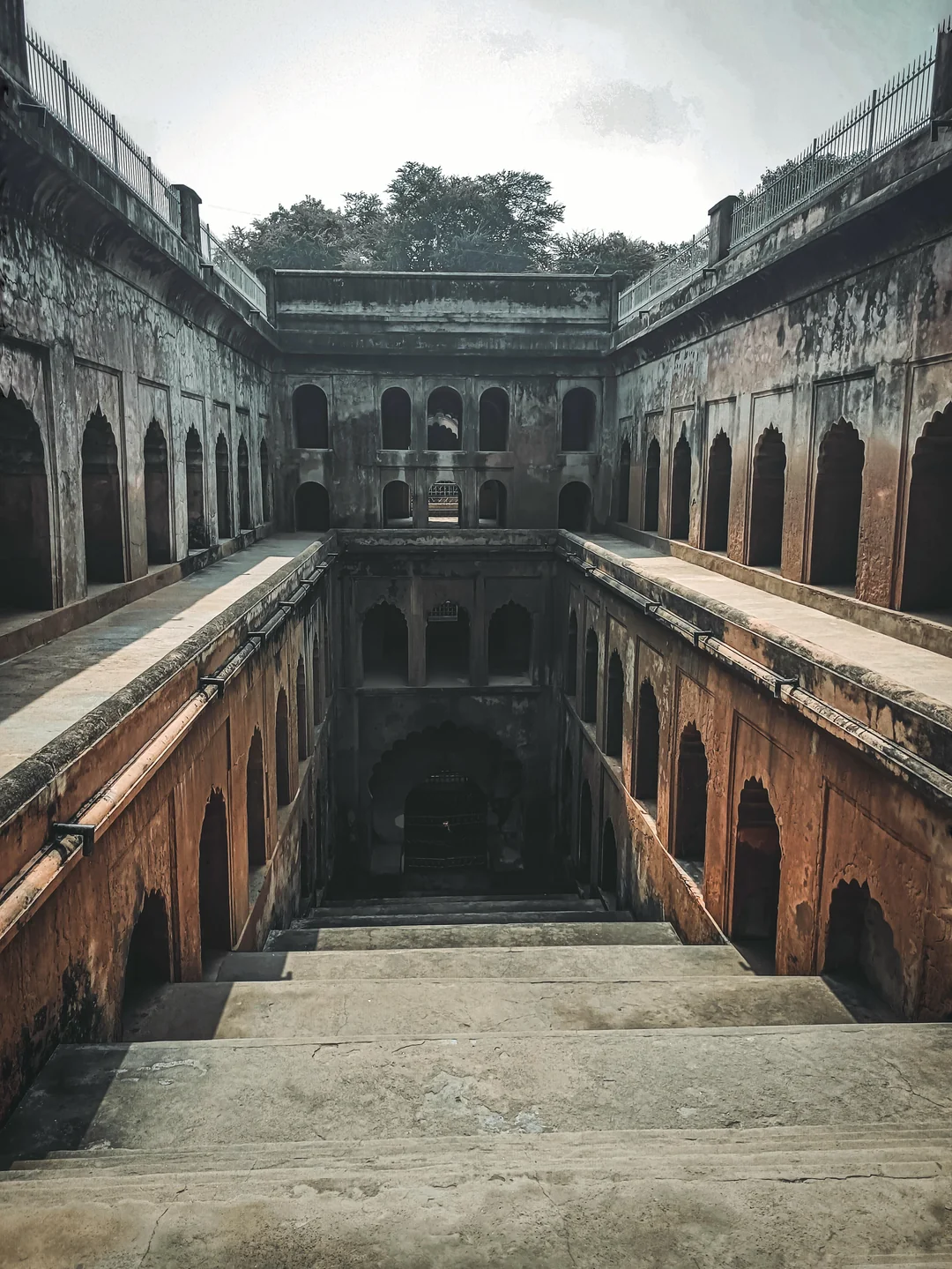
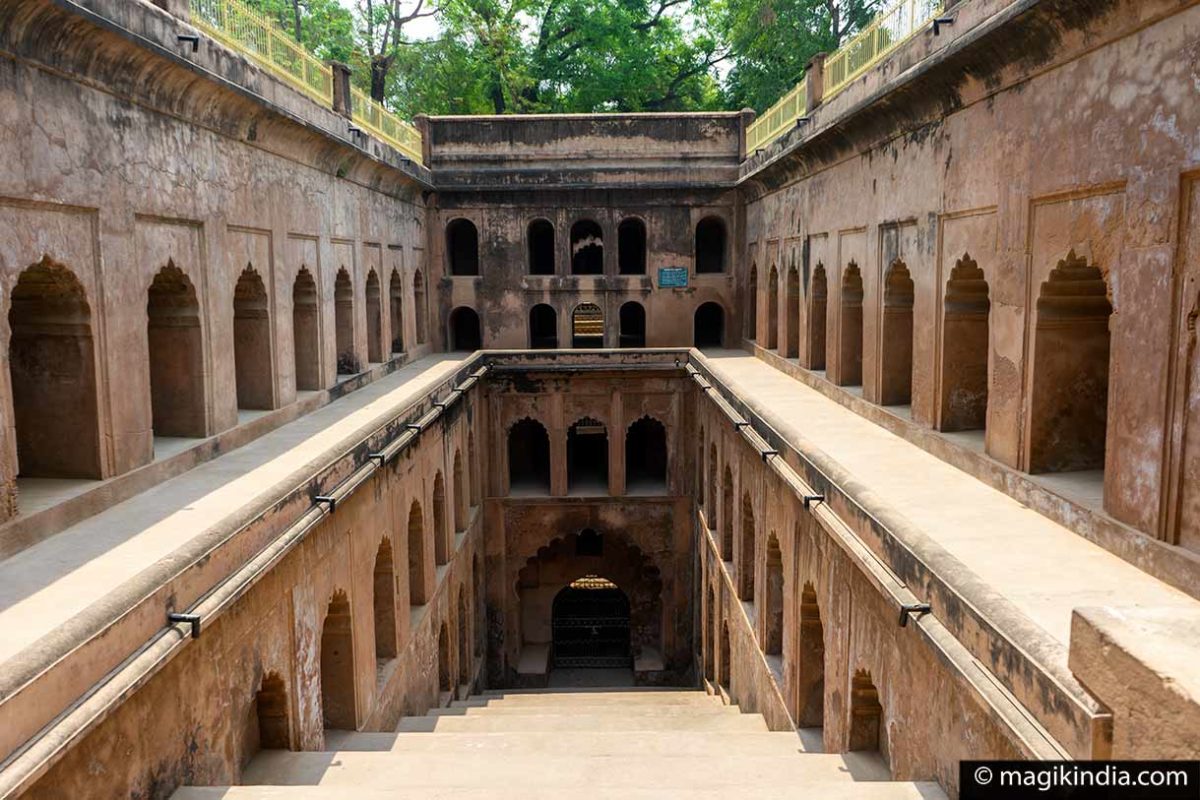
Walk to the adjoining royal stepwell on the courtyard's edge.
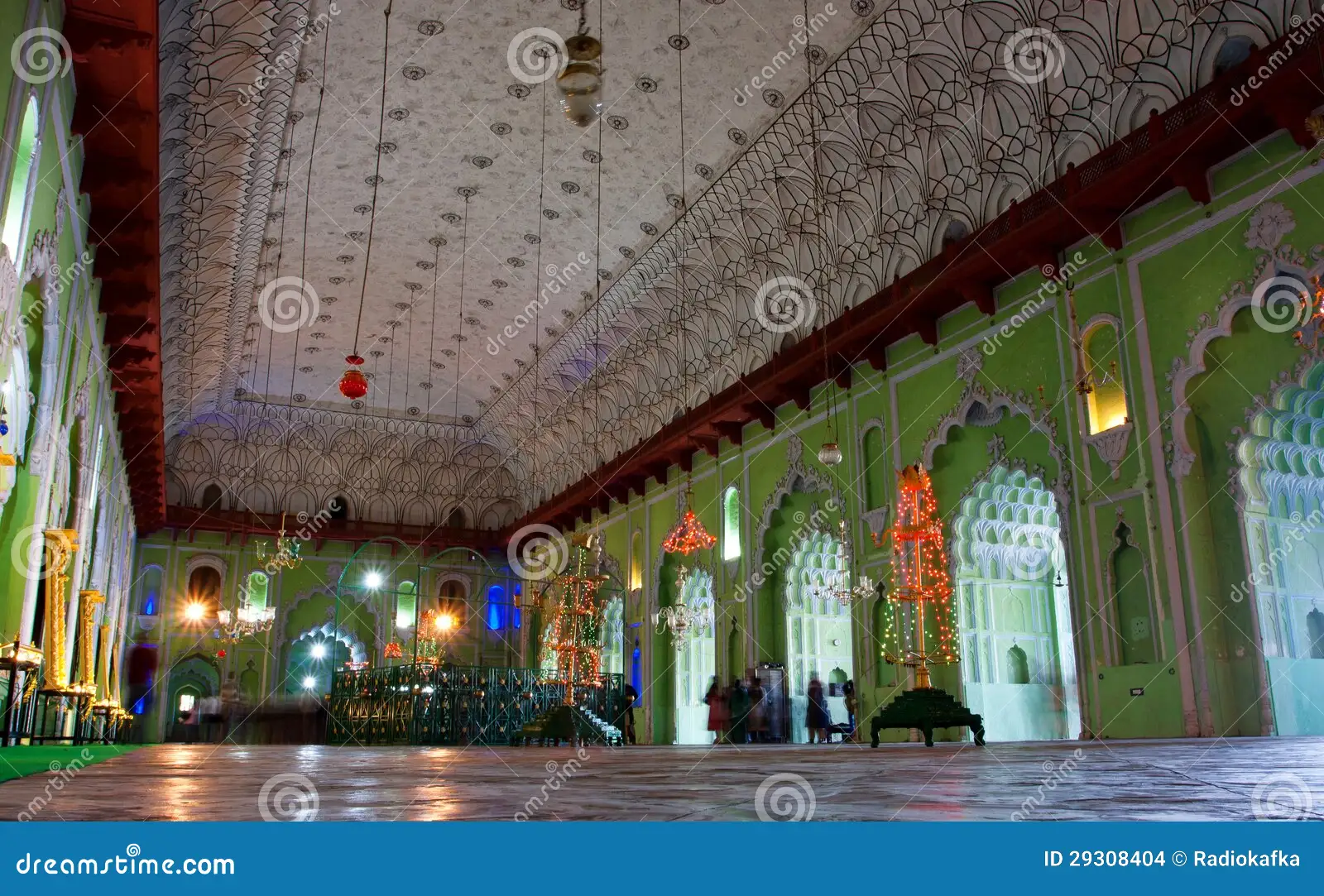
The central vaulted hall stretches roughly 50 meters long and 15 meters high and is held up entirely without pillars, relying on an interlocking Lakhauri-brick system devised by architect Kifayatullah. It remains cited as one of the largest such unsupported halls of its kind in the world.
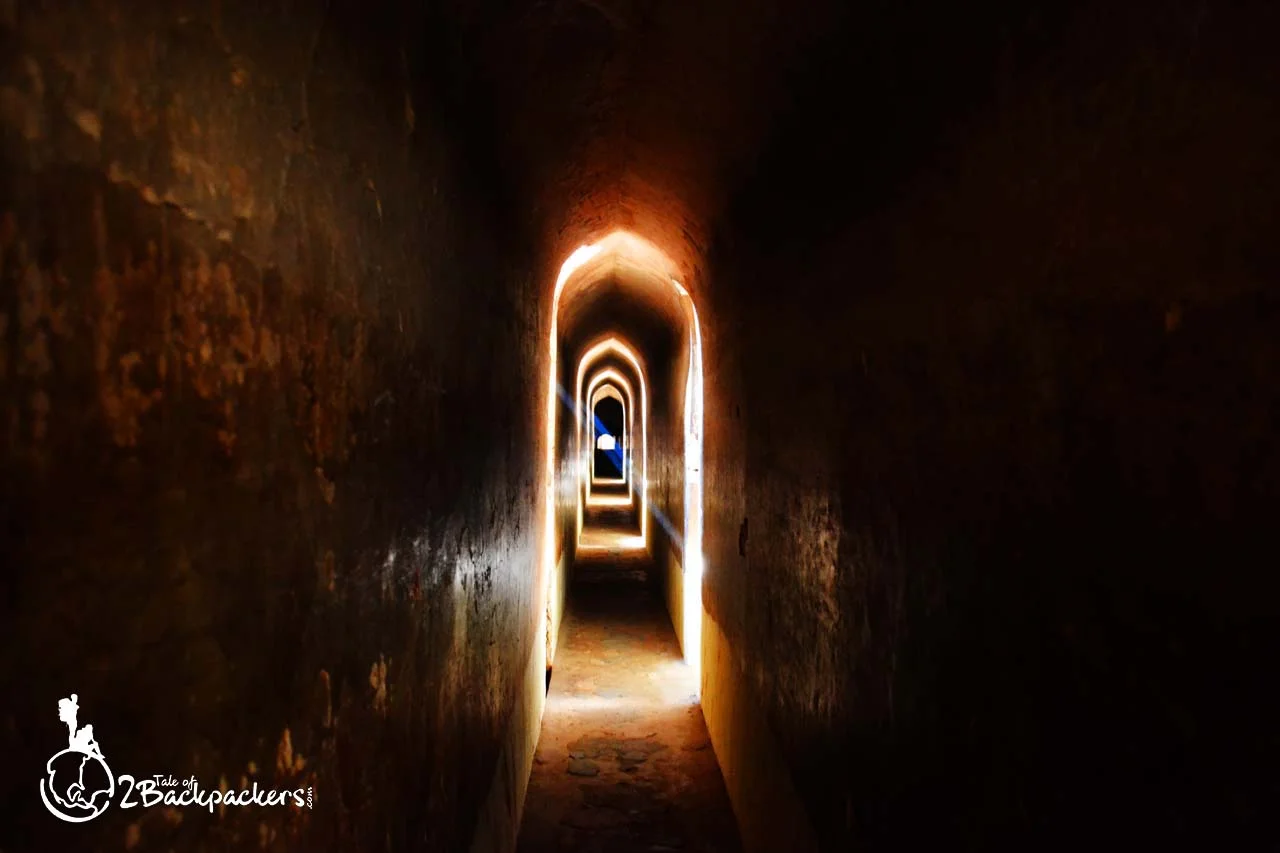
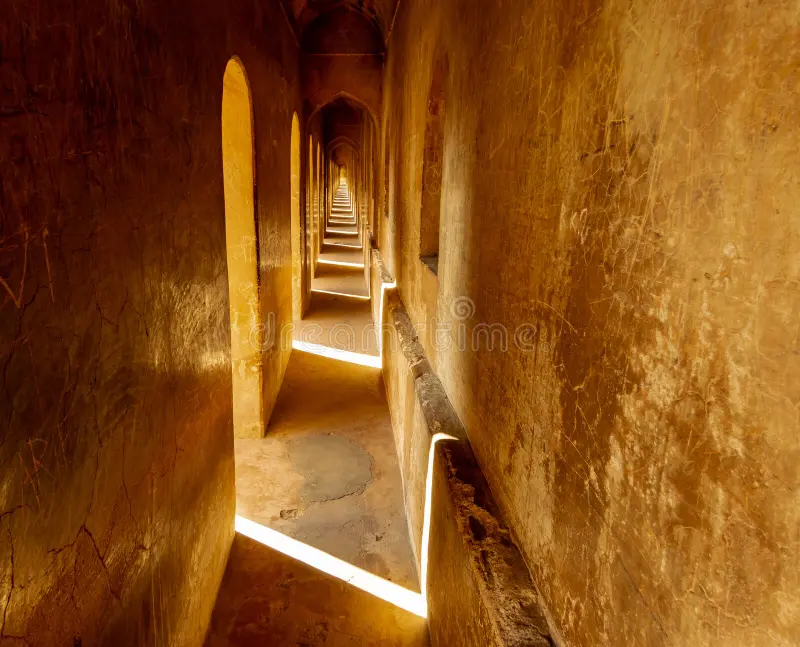
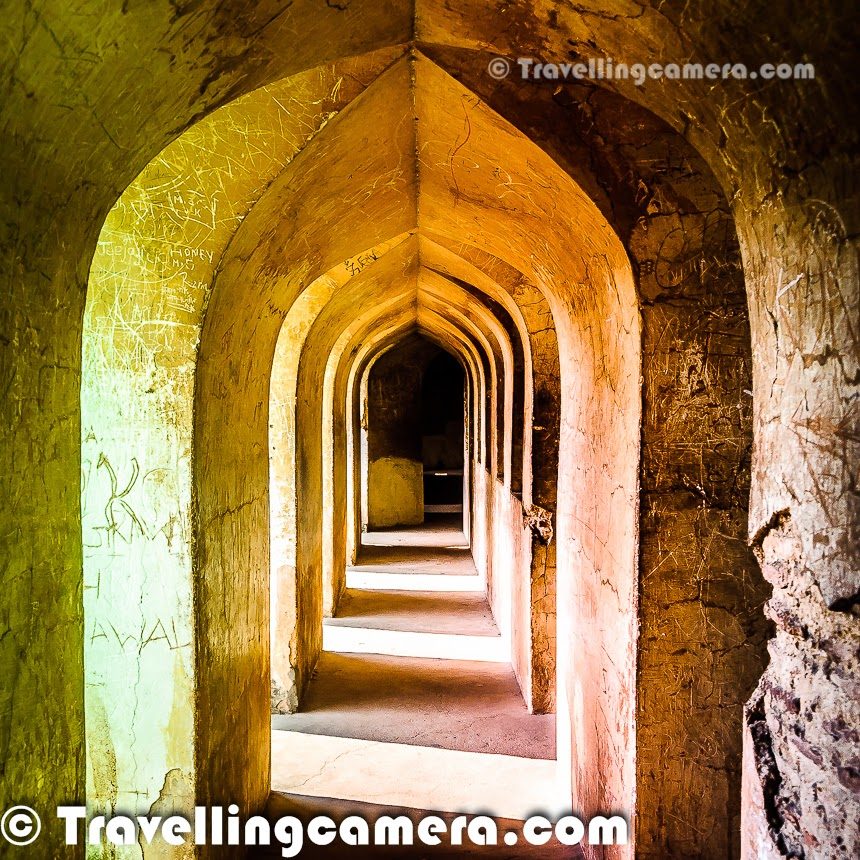
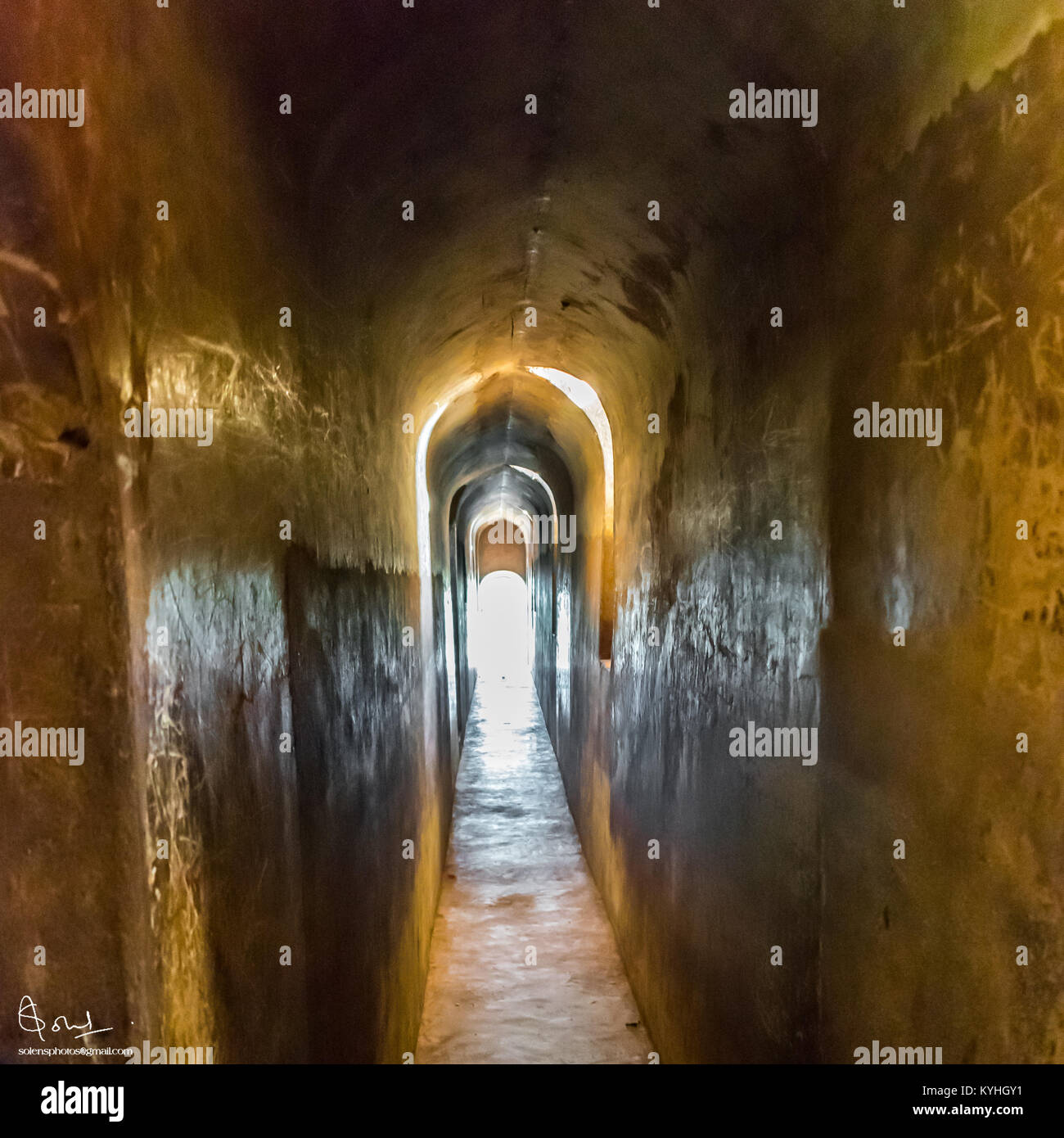
Reached via a stone stairway of roughly 45 steps, this upper-floor maze contains over a thousand narrow corridors and hundreds of near-identical doorways built to relieve structural weight above the hall below. Local guides note there are said to be only two genuine exits out of the entire labyrinth.
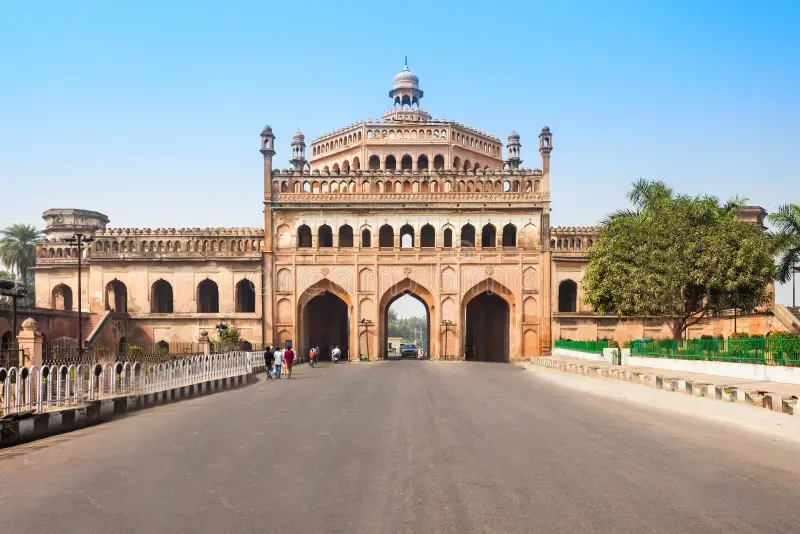
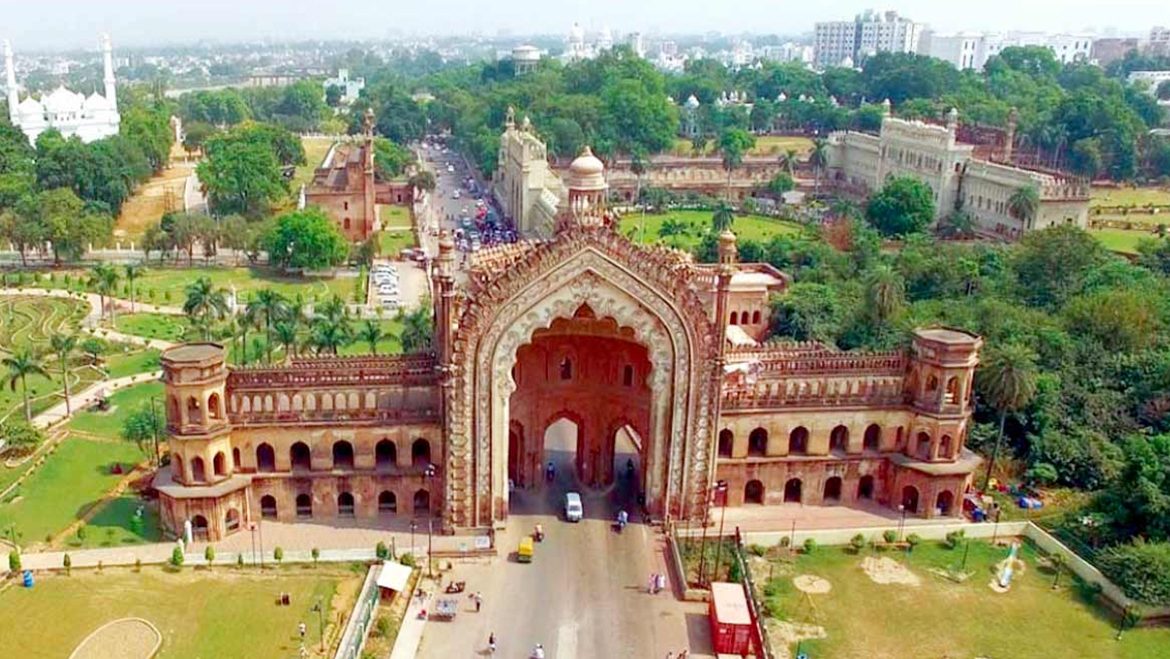
Standing about 60 feet tall roughly 100 meters from the Imambara's entrance, this Awadhi-style gate was built during the same 1780s famine-relief construction project and is nicknamed the Turkish Gate for its resemblance to an Istanbul doorway.
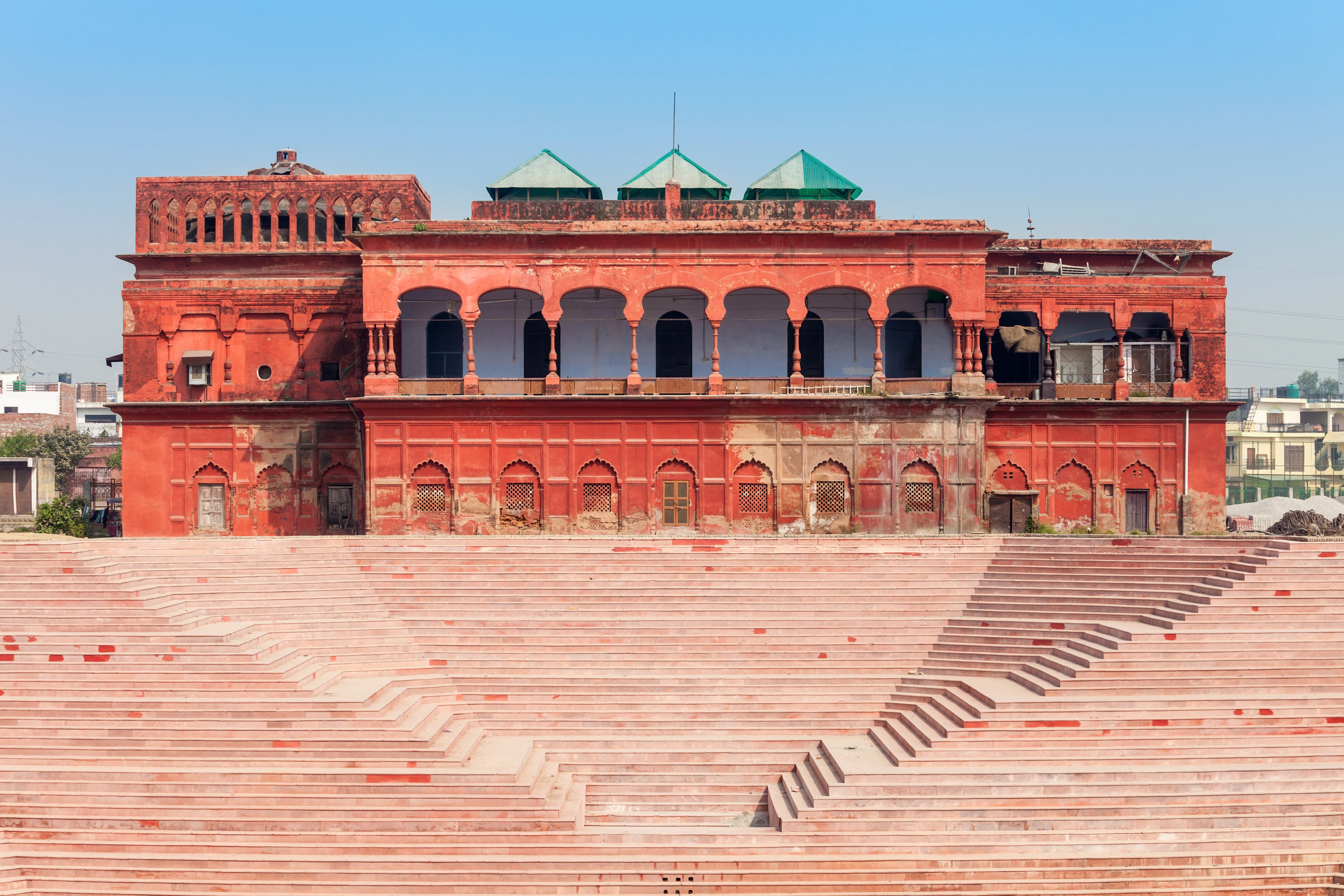
Constructed between 1784 and 1794 alongside the main hall, this royal stepwell descends into cool underground chambers once used for storing water and, according to local lore, for hiding treasure during turbulent periods.
From the roof above the Bhulbhulaiya, arched jharokha windows frame views over the Asafi Mosque, Rumi Darwaza, and the Husainabad Clock Tower toward the Gomti River.
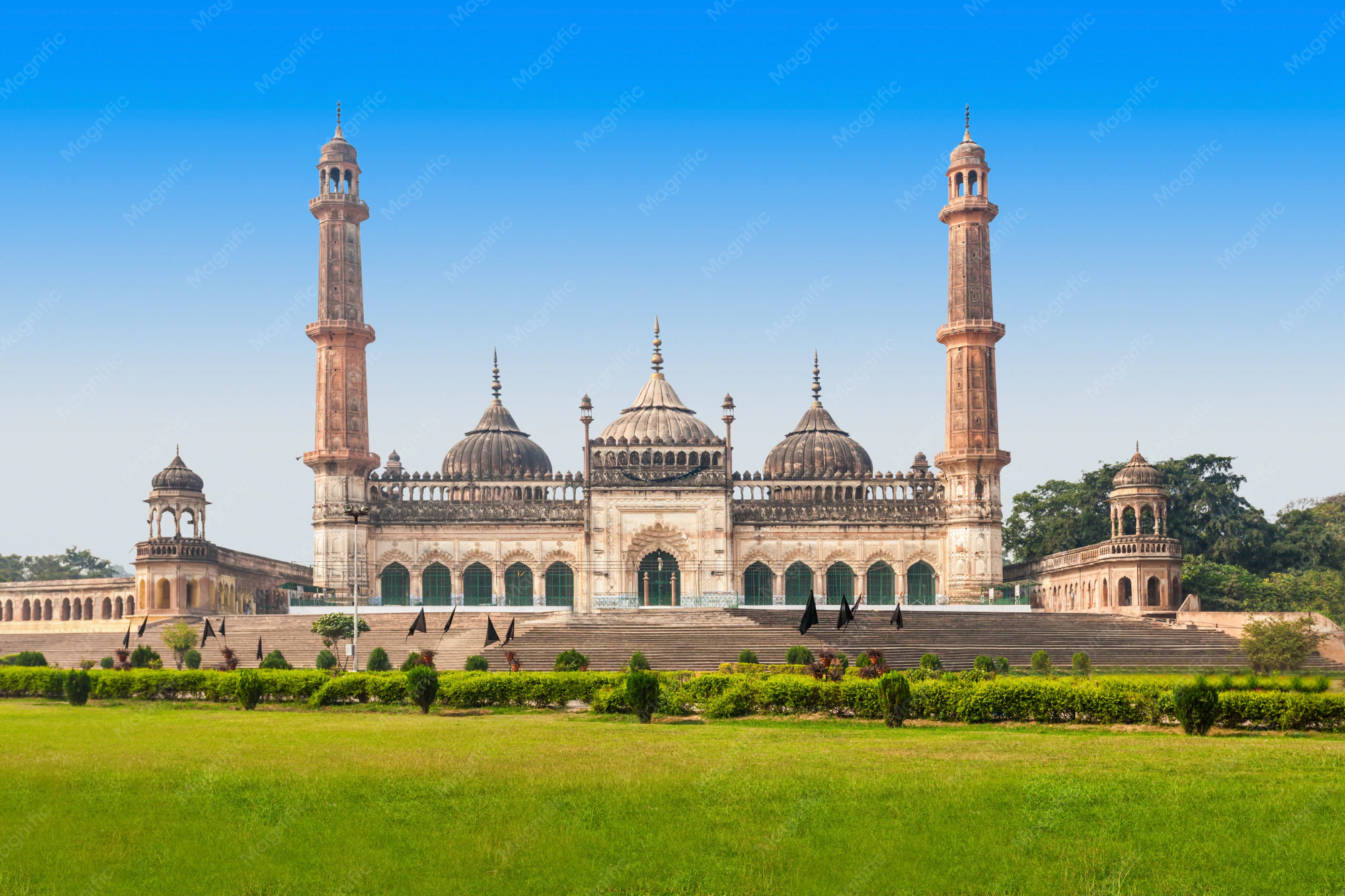
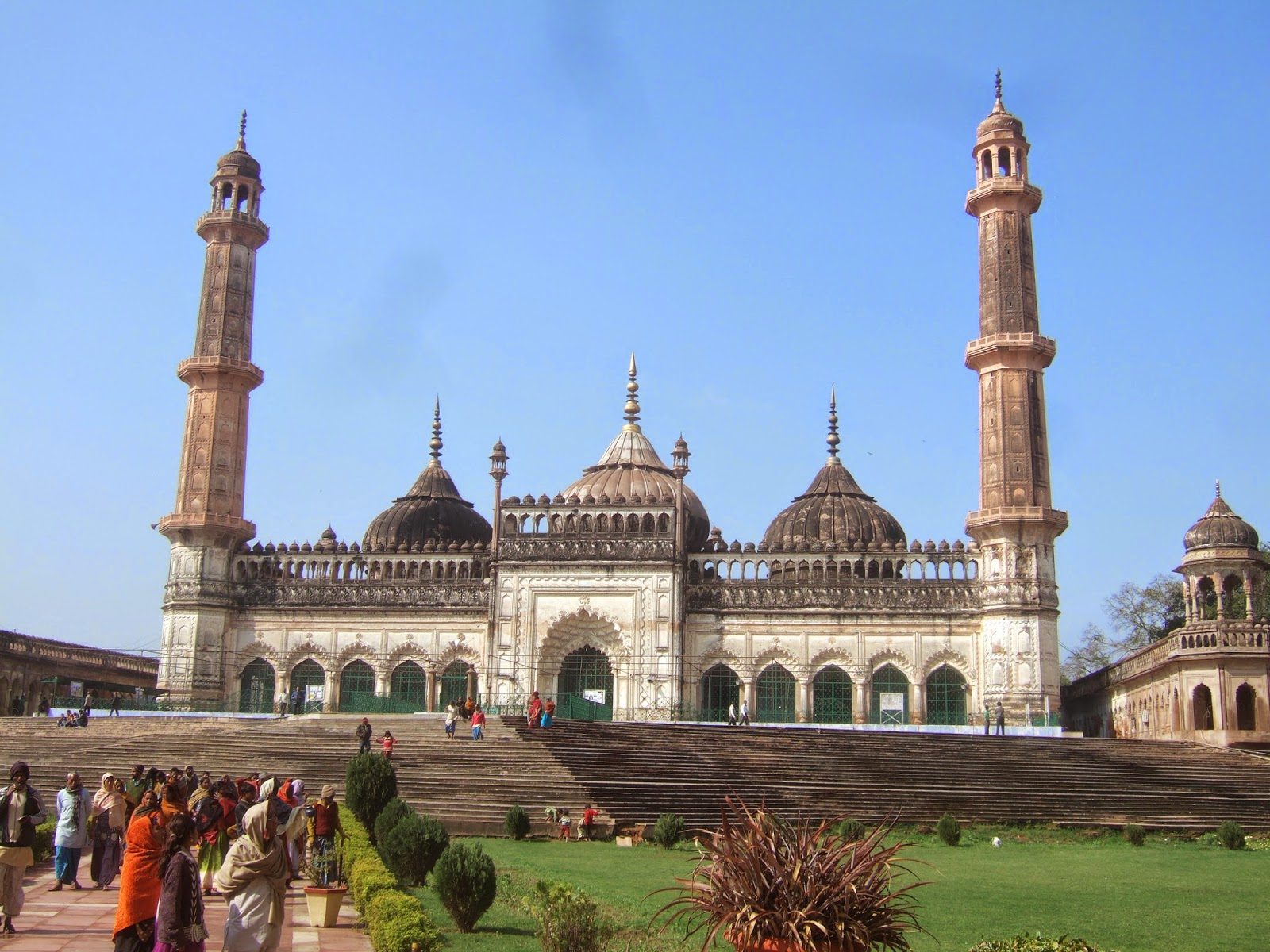
Built adjacent to the main hall for Nawab Asaf-ud-Daula's court, this mosque sits opposite the Shahi Baoli within the same courtyard and remains an active site of worship today.
You reach the gateway on Husainabad Trust Road between 06:30 and 09:00, when the air is still cool and the tour coaches have not yet arrived. You collect your Bara Imambara Tickets tickets, hand over your shoes at the counter, and step across the threshold into the outer courtyard.
You cross the forecourt toward the great hall. Inside, you speak once and hear your own voice return from the far wall. You look up at a ceiling that has no visible means of staying where it is. You circle the raised platform where Asaf-ud-Daula lies buried, then follow the guide toward a low doorway in the western wall.
The stairs to the Bhulbhulaiya are steep and narrow. You climb in single file, one hand against brick, past niches that open onto identical corridors running in three directions. You take a passage, take another, and lose your bearings within a minute — which is the intended effect. Eventually you emerge onto the upper terrace and the city arranges itself below you: the Asafi Mosque domes to your left, the Rumi Darwaza framing the road north, rooftops running toward the Gomti.
You descend by a different stair, cross to the Shahi Baoli, and lean over the parapet to watch the reflected figures move on the water. Then you walk back out through the gate into the noise of Machchhi Bhavan.
All the details about your upcoming adventure in one place
Built by Nawab Asaf-ud-Daula, this vast complex holds the pillarless central hall, the labyrinthine Bhul Bhulaiya, the stepwell Shahi Baoli and the adjoining Asfi Mosque. Bara Imambara Tickets tours typically include a licensed guide who leads visitors through the upper maze corridors and out onto the terrace overlooking the Rumi Darwaza. The Awadhi architecture here, all lakhauri brick and vaulted arches, remains among the finest surviving examples of eighteenth-century Lucknow craftsmanship.
The central hall of the Bara Imambara spans roughly 50 metres without a single beam, pillar, or girder holding up its ceiling — one of the largest arched vaults ever raised in brick and lime mortar. Nothing in the room draws the eye upward except the absence of support.
Asaf-ud-Daula, fourth Nawab of Awadh, commissioned the complex in 1784 as famine relief, employing thousands through years of scarcity. That framing matters: the monument was labour policy before it was architecture. The Shia congregation hall it created still serves its original liturgical function during Muharram, when the building fills with mourners rather than sightseers. Visitors holding Bara Imambara Tickets enter a working religious site, not a museum piece.
The architecture belongs to a distinctly Awadhi idiom — Mughal grammar loosened by Persian ornament and local invention, executed almost entirely in lakhauri brick faced with stucco. There is no marble, no imported stone, no European classicism of the sort that would arrive in Lucknow a generation later at Constantia and the Residency. The architect Kifayatullah worked in materials the region could supply, and the result reads as regional rather than imperial. Above the vault runs the Bhulbhulaiya, a lattice of narrow interconnected passages and stairwells built into the structural thickness of the walls themselves — labyrinth as load-bearing engineering. Adjacent stand the Asafi Mosque, closed to non-Muslims, and the stepwell known as the Shahi Baoli, whose water once cooled the chambers cut into its flanks.
Today the complex anchors Husainabad Trust Road at Machchhi Bhavan, and its ticketing reflects that: the 500 INR foreigner ticket covers Bara Imambara, Chota Imambara, the Picture Gallery, and Shahi Hamam as a single monument circuit. Most Lucknow landmarks itineraries build around that grouping. Guided Bara Imambara Tickets tours generally include a licensed guide for the Bhulbhulaiya, where wayfinding is genuinely difficult and unaccompanied wandering is discouraged. A बड़ा इमामबाड़ा टिकट purchased at the gate carries the same coverage, though queues at the Husainabad entrance form quickly once the day warms.
What survives here is unusual in Indian heritage terms — a monument continuously in use for two and a half centuries, never abandoned, never converted, never fully ruined. The stucco has been patched repeatedly; the acoustics of the great hall, which carry a whisper across its length, remain original. The Archaeological Survey of India does not administer the site; the Husainabad Trust does, an arrangement dating to the nineteenth century that keeps the complex bound to the community that built it. Every Bara Imambara Tickets tour ultimately arrives at that fact.

The monument was labour policy before it was architecture.
Modest clothing covering shoulders and knees is expected, since the complex includes an active Shia congregation hall used for Muharram observances. Shoes must be removed before entering the main Imambara hall, so slip-on footwear makes the visit easier.
Bags are screened at the entrance near Rumi Darwaza before visitors proceed into the Asafi Hall and Bhulbhulaiya staircase. Large backpacks and suitcases are discouraged given the narrow maze passages upstairs, which are roughly 20 feet wide in places.
Personal photography is generally permitted throughout the Asafi Hall, courtyard, and Bhulbhulaiya, though a separate camera fee applies for digital and video cameras at the ticket counter. Tripods and professional filming rigs are not accommodated in the narrow labyrinth corridors.
Children are welcome throughout the complex, though the Bhulbhulaiya's dim, narrow passages can be disorienting for very young kids without an adult close by. A local guide is recommended for families attempting the maze, since it's easy to lose your bearings among its many near-identical doorways.
The ground-floor Asafi Hall, said to be one of the largest arched halls built without interior supports, is reachable without stairs, but the upper-level Bhulbhulaiya maze is accessed only via a stone stairway and isn't wheelchair-friendly. Visitors with mobility difficulties can still enjoy the main hall, Shahi Baoli stepwell view, and courtyard at ground level.
No food or drink is permitted inside the Asafi Hall, Bhulbhulaiya, or Shahi Hamam, as these remain active heritage and religious spaces. Bottled water may be carried in but should be consumed only in the outer courtyard, not within the enclosed halls.
Ticket counter opens at 06:00
Slightly quieter before Friday prayers
Weekend crowds build after 10:00
Busiest day of the week
Hours today
06:00 – 17:00, open daily
Address
Bara Imambara, Husainabad Trust Road, Machchhi Bhavan, Lucknow, Uttar Pradesh 226003, India
Access notes
Ground-floor halls are step-free, but the Bhulbhulaiya maze requires climbing 45+ narrow stairs
Climate
Hot and humid April–June, so mornings are markedly cooler for exploring the courtyard
Storage
No formal cloakroom on site — carry only a small bag through security
Public transport · 20-30 min from Charbagh · Approx 30-50 INR by bus
City buses run from Charbagh and Aminabad toward Chowk, stopping within a short walk of Rumi Darwaza; auto-rickshaws also wait near the Chowk bus stand.
Car · 15-25 min from Hazratganj · Parking fee typically under 50 INR
Self-driven or hired cars can reach the complex via Husainabad Trust Road, with parking available near the Rumi Darwaza forecourt.
Taxi · 35-45 min from the airport · Approx 300-500 INR
App-based cabs and pre-paid taxis from Chaudhary Charan Singh International Airport take roughly 35-45 minutes covering about 14-15 km.
Bike · 20-30 min from Hazratganj · Minimal, rental-dependent
Cycling or e-bike rental is feasible from central Lucknow neighborhoods like Hazratganj through the old city lanes.
Entrance tickets for the combined 500 INR foreigner pass (covering Bara Imambara, Chota Imambara, Picture Gallery, and Shahi Hamam) are sold on-site and are non-refundable once issued. Guided Bara Imambara Tickets tours booked through third-party operators typically allow free cancellation up to 24 hours before the scheduled time, though this varies by provider.
Recommended time
2-3 hours
Budgeting Bara Imambara Tickets around two to three hours covers all four bundled sites: the main hall, the Bhool Bhulaiya labyrinth, Chota Imambara, and the Picture Gallery, with the maze alone running between 45-60 minutes with a guide. Add extra time if you're combining this with the wider Lucknow landmarks circuit or lingering for photos in the courtyards; subtract time if you skip the Shahi Hamam and stick to a brisk skip-the-line style route through the core halls. Queues are minimal right after opening but start forming as tour buses arrive mid-morning, so arriving inside the 06:30-09:00 window keeps both the crowd and the heat manageable before either builds through midday.
Crowd levels through the day
Weather · crowds · average price — dots go green to amber to red as each metric rises.
Daytime temperatures sit in the comfortable 10–25°C range, making this the most popular season for Bara Imambara Tickets tours, with the busiest days falling around New Year and Republic Day weekends.
Afternoon heat regularly tops 40°C, so touring the Bhulbhulaiya's enclosed stairwells is far more comfortable in the early morning than midday.
Humidity is high and brief afternoon showers are common, but the courtyard and covered halls stay accessible, and crowds thin out compared to winter.
The complex becomes the focal point of citywide Shia processions with special lighting, drawing large crowds of devotees rather than typical sightseers.
A guide familiar with the Bhulbhulaiya's near-identical doorways makes the difference between a quick loop and an accidental hour lost in the maze; guides typically wait near the stairway entrance.
The ticket counter and camera fee booths handle high volumes of cash transactions, so having smaller denominations speeds up entry.
The stone stairs leading up to the Bhulbhulaiya are worn smooth from centuries of foot traffic, so sturdy flat shoes help on the narrow turns.
The single 500 INR foreigner ticket already covers Chota Imambara, the Picture Gallery, and Shahi Hamam, so keep the stub for entry at each site the same day.
Some passages in the Bhulbhulaiya were designed for sound effects, so calling out is sometimes used by guides to help disoriented visitors find their bearings.
As an active Shia congregation space, some areas may be temporarily restricted during prayer or ahead of Muharram processions.
Hussainabad Road, Machchhi Bhavan, Lucknow, Uttar Pradesh 226003
Common gathering point before entering the Bara Imambara complex
Get directionsBara Imambara, Husainabad Trust Road, Machchhi Bhavan, Lucknow 226003
Where combined tickets covering Chota Imambara and Picture Gallery are issued
Get directionsIn 1784 a failed monsoon emptied the granaries of Awadh. Famine followed. Nawab Asaf-ud-Daula, who had moved his capital from Faizabad to Lucknow in 1775, answered with construction rather than charity. The building site became a payroll. Common labourers worked by day; noblemen reduced to poverty worked by night, their dignity protected by darkness. Records describe walls raised in daylight and partly pulled down after dusk, so the work — and the wages — would continue. The project ran until 1791. Visitors who reserve Bara Imambara Tickets are entering a relief programme that happened to become architecture. The design came from Kifayatullah, an architect of Delhi origin who is buried inside the hall he built. His brief was severe: a congregation space for Muharram mourning, free of the pillars that would break sightlines toward the imam. His central vault spans roughly fifty metres without a single beam, column, or iron support. The load is carried by interlocking brickwork and by the immense weight of the structure above it. That structure is the source of the monument's second identity. To lighten the roof while keeping it rigid, builders honeycombed the upper storeys with cavities, stairwells, and ventilation shafts. The Bhool Bhulaiya was engineering, not entertainment. The labyrinth is a byproduct of a beam-free ceiling, and any Bara Imambara Tickets tour that presents it as a deliberate puzzle for lost princes is repeating folklore rather than history. The complex was funded partly by lakhauri brick, gypsum, and lime mortar — no European materials, no imported iron. Asaf-ud-Daula died in 1797 and lies within the hall. The adjoining Asafi Mosque and the great Rumi Darwaza gateway, completed in the same decade, belong to the same Nawabi programme of Lucknow landmarks. In 1857 British forces stormed the compound during the Uprising and used it as a garrison; the shattered plasterwork was repaired only later. The Husainabad Trust has administered the site since the nineteenth century, and its combined Bara Imambara Tickets tickets still link this hall to the Chota Imambara, Picture Gallery, and Shahi Hamam. Guided Bara Imambara Tickets tours now trace the stepwell, the mosque, and the vault. What survives is a monument built to feed a starving province.
Asaf-ud-Daula shifts the Awadh capital from Faizabad to Lucknow.
Famine strikes the province and construction begins as a wage-relief scheme.
Kifayatullah raises the beam-free central vault using lakhauri brick and lime mortar.
The Imambara, Asafi Mosque, and Bhool Bhulaiya reach completion.
Asaf-ud-Daula dies and is buried inside the central hall.
British troops occupy the compound during the Uprising, damaging plasterwork and interiors.
The Husainabad Trust assumes administration of the complex and its endowments.
The site operates daily 06:00-17:00 under Trust management.
Visiting Bara Imambara Tickets with children means climbing narrow, uneven stairways into the Bhool Bhulaiya, so families often split into two groups rather than pushing everyone through the maze together.
Strollers cannot go beyond the main courtyard; the Bhool Bhulaiya is reached by narrow stone stairs with no ramps, so plan to carry small children or leave the pram with a family member at ground level.
Kids under about 6 and anyone unsteady on steps should skip the labyrinth's 45-84 stairs and dim, narrow passages; the central hall, courtyard, and Shahi Hamam are easier wins for younger visitors.
Send one adult with older kids up into the Bhool Bhulaiya while another waits below; the climb and maze loop typically takes 45-60 minutes, so agree on a meeting time before splitting up.
Bench seating sits just inside the main entrance gate, a good spot for grandparents or toddlers to rest while the rest of the group tackles the stairs; this is also where guides can be arranged for the Bara Imambara Tickets tour.
Stone steps get slick when wet, so on rainy days stick to the covered central hall and skip the open-air rooftop stretch of the maze with young children.
There are no food stalls inside the monument itself, so bring water and a snack for the wait near the entrance benches before or after the climb.
Bara Imambara Tickets don't include an on-site restaurant, but the walk out toward Chowk and Akbari Gate is one of Lucknow's densest food lanes, so most visitors eat within ten minutes of the exit rather than bringing anything in.
The 1905 original outlet near Akbari Gate serves only galawati (melt-in-mouth minced kebabs) and parathas at stall prices; expect a cramped, no-frills room and a midday crush, so an early lunch after the Bara Imambara Tickets tour beats the 1-2pm rush.
A tiny, decades-old Raja Bazar counter known for milder, saffron-scented mutton dum biryani rather than the heavier Hyderabadi style; seating is minimal, so takeaway suits a quick stop between Bara Imambara and Chota Imambara.
A long-running Chowk name for mutton biryani and kebabs, popular with locals finishing a Lucknow landmarks walk; goes quiet mid-afternoon, making a 3-4pm visit easier than lunchtime.
A well-known kulfi counter for a cooling finish after kebabs or biryani; malai and pista are the standard orders, and it's a fast, stand-and-eat stop rather than a sit-down meal.
A long-established Chowk sweet shop for jalebi and other Awadhi mithai, good for picking up something on the walk back rather than a full meal.
Real experiences from real travelers
We reached just after opening in June heat and the great hall was noticeably cooler than the courtyard, the bare brick doing its work. The guide who came with our Bara Imambara Tickets tour explained the beamless ceiling in plain terms and it made sense once you stood under it. Wear something you can climb in.
The Bhulbhulaiya is not a gimmick, the passages genuinely double back and my sense of direction gave out around the fourth turn. Late afternoon light through the lattice windows was the best part. Asfi Mosque next door is worth the extra ten minutes.
Photographs flatten the scale of the Lucknow monument completely, the façade runs much wider than I expected. The stone underfoot gets hot barefoot in the prayer areas so bring socks. Our Bara Imambara Tickets tickets covered the Shahi Baoli too, which I had not realised.
Standing in the central chamber with the arches curving overhead and no visible beam anywhere is the moment that stays with you. There was a warm wind coming through the arched openings and the sound carried oddly across the hall. The Bhulbhulaiya stairs are narrow and uneven.
From the upper terrace you can see Rumi Darwaza and the rooftops of the old city stretching out in the haze. The climb up is tighter than expected but the guide kept the group together. Bara Imambara Tickets tours are worth taking simply because the passages are unmarked.
The stucco detail along the cornices and the scalloped arches reward slow looking, and February light was soft on the brick. Our guide pointed out the Shahi Baoli stepwell which we would have walked straight past. Lucknow landmarks are underrated compared to the Delhi and Agra circuit.
Do not attempt the labyrinth alone, several people in our group were separated within minutes and had to be collected. The brickwork inside is bare and unpolished which somehow makes it more convincing. Lucknow ka Bara Imambara dekhne layak hai, especially the ceiling span.
Winter morning air made the courtyard pleasant and the low sun lit the whole façade evenly. The interior is dim by comparison so my photos needed a steady hand. Asafi Imambara, as locals call it, sits close enough to Rumi Darwaza to combine on foot.
Someone clapped in the great chamber and the echo travelled in a way I have not heard in another building. The whole complex is monsoon-scarred in places, damp streaks on the plaster, which I liked. Skip-the-line Bara Imambara entry saved us standing in the sun at the counter.
The stepwell beside the main complex is dark and cool and almost nobody was down there when we visited. Above ground the brick throws off heat well into the evening. Worth going slowly rather than rushing the passages.
Everything you need to know for your journey
Bara Imambara is open daily from 06:00 to 17:00, with the ticket counter opening at 06:00.
The ground-floor Asafi Hall is step-free and accessible, but the Bhulbhulaiya maze requires climbing a narrow stone stairway that isn't wheelchair-friendly.
Large backpacks, tripods, drones, sharp objects, alcohol, outside food for the halls, and weapons are among the items not allowed inside the complex.
Personal photography is generally allowed throughout the Bhulbhulaiya and Asafi Hall, though a separate fee applies for digital and video cameras at the entrance.
Arriving between 06:30 and 09:00 offers cooler temperatures and noticeably fewer tour groups before mid-morning crowds build up.
Modest clothing covering shoulders and knees is recommended, and shoes must be removed before entering the main Imambara hall.
Food and drink aren't permitted inside the Asafi Hall, Bhulbhulaiya, or Shahi Hamam, though bottled water can be carried and consumed in the outer courtyard.
Buses and auto-rickshaws run from Charbagh and Chowk to Rumi Darwaza, a short walk from the main entrance, in roughly 20-30 minutes from central hotels.
Yes, families are welcome, though the Bhulbhulaiya's dim, narrow passages can disorient younger children without an adult nearby, so a local guide is worth hiring.
The combined 500 INR foreigner entrance ticket is issued on-site and is generally non-refundable once purchased, though third-party guided tour bookings often allow free cancellation up to 24 hours ahead.
A single ticket comfortably combines Bara Imambara with Chota Imambara, the Hussainabad Picture Gallery, Rumi Darwaza, and the Shahi Baoli stepwell, all within a 20-minute walk.
Yes, the 500 INR foreigner ticket covers Bara Imambara, Chota Imambara, the Picture Gallery, and Shahi Hamam in a single combined pass.
A roughly 60-foot-tall Awadhi gateway built by Nawab Asaf-ud-Daula during the same 1780s famine relief project, often called the Turkish Gate for its resemblance to an Istanbul doorway.
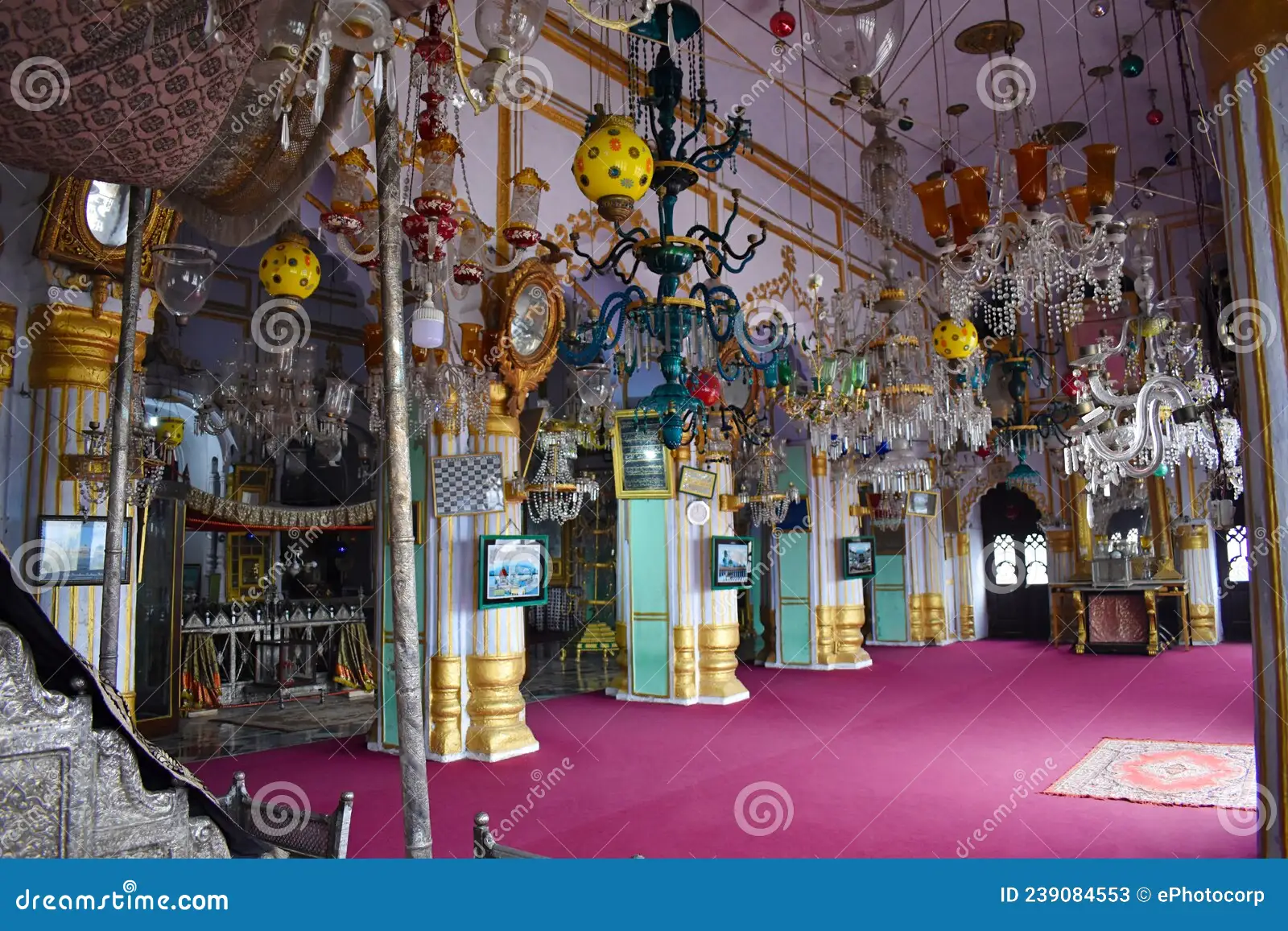
Built in 1838 by Nawab Muhammad Ali Shah as his own mausoleum, this smaller Imambara is known for its gilded dome and chandeliers and is nicknamed the Palace of Lights.
A royal stepwell built between 1784 and 1794 alongside the main Imambara, valued for its engineering and cool underground chambers.
A gallery of Nawab-era portraits housed near the Chota Imambara complex, included on the same combined heritage ticket.
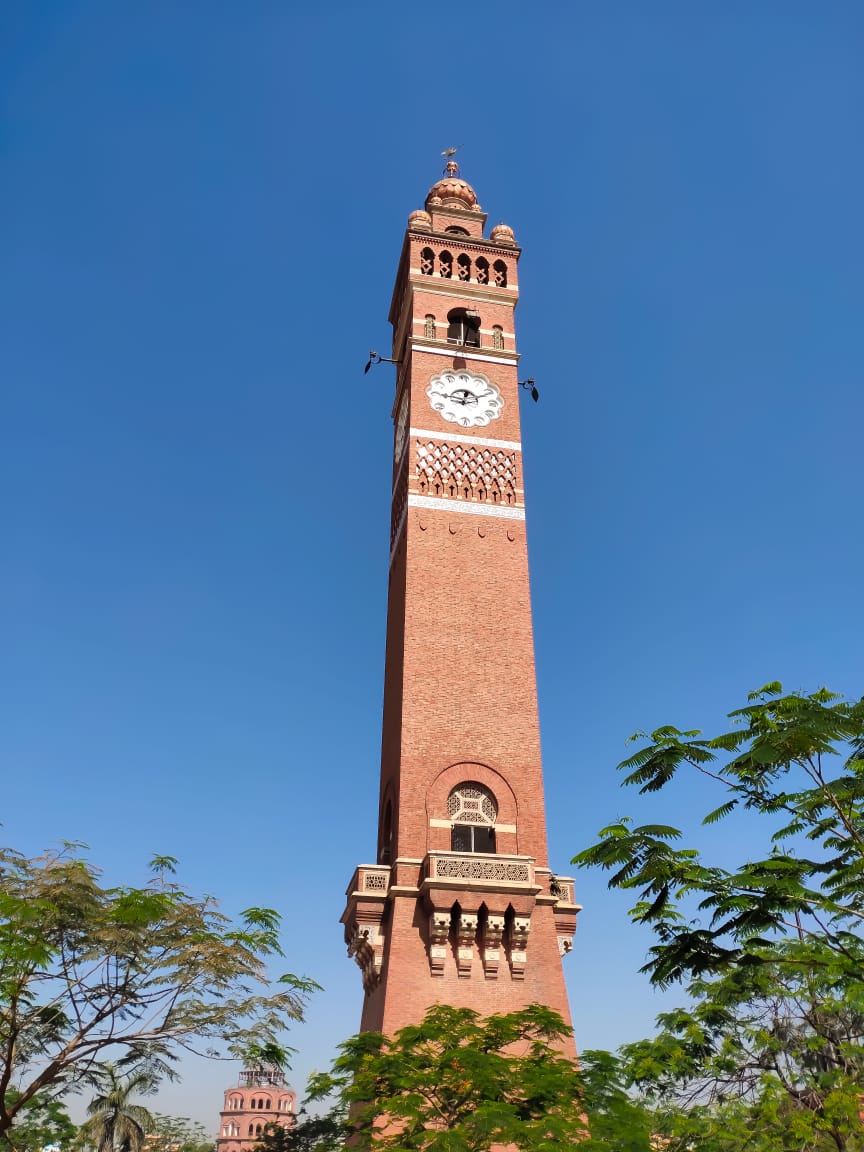
A 19th-century clock tower near Chota Imambara, among the tallest of its kind built during British-era Lucknow.
A mosque built alongside the Asafi Hall for Nawab Asaf-ud-Daula's court, standing adjacent to the Shahi Baoli.
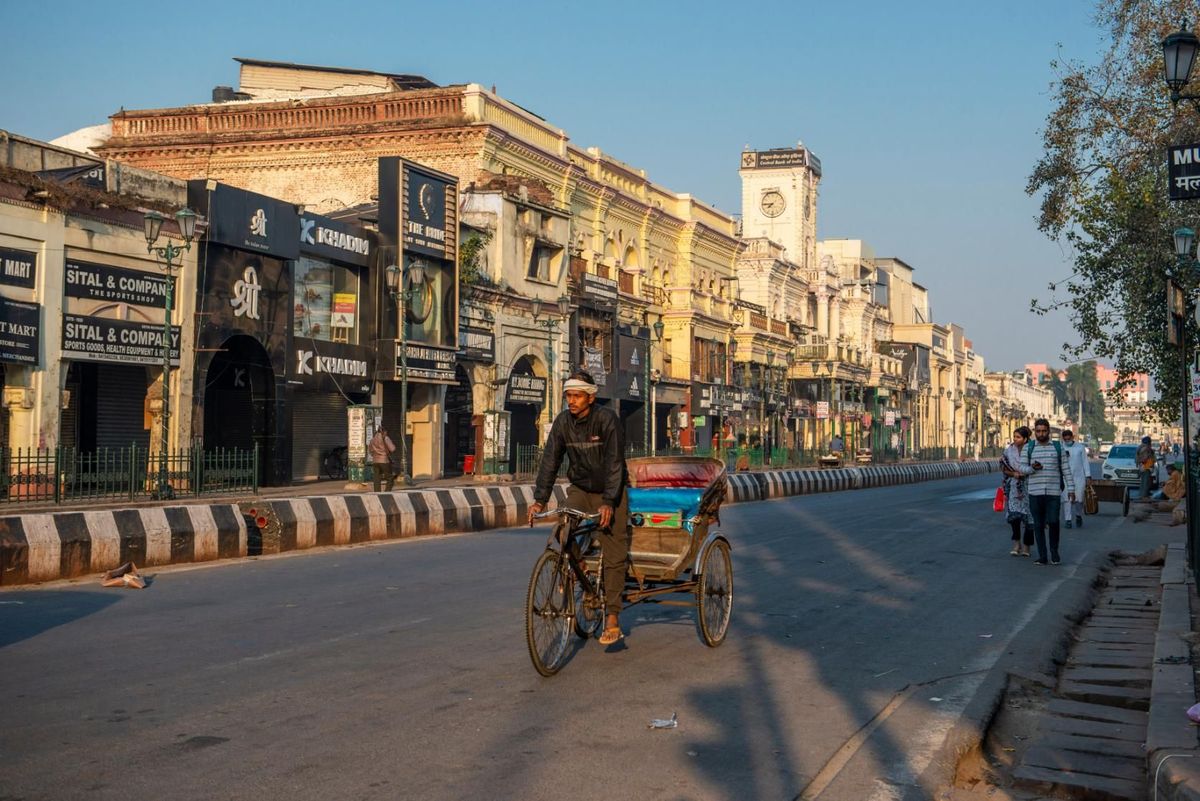
Lucknow's central shopping and hotel district with a wide range of mid-range hotels and easy access to Chowk's old city sites.
The old city market area close to the Imambara complex, popular for budget lodging near Awadhi food stalls.
A newer, quieter part of Lucknow with boutique and business hotels away from the old city crowds.
Join thousands of happy travelers who have discovered this incredible experience
Book Your Experience Now